
When the Wave Hits: Navigating the Loss of a Family Member
By the team at Waves in Wellness
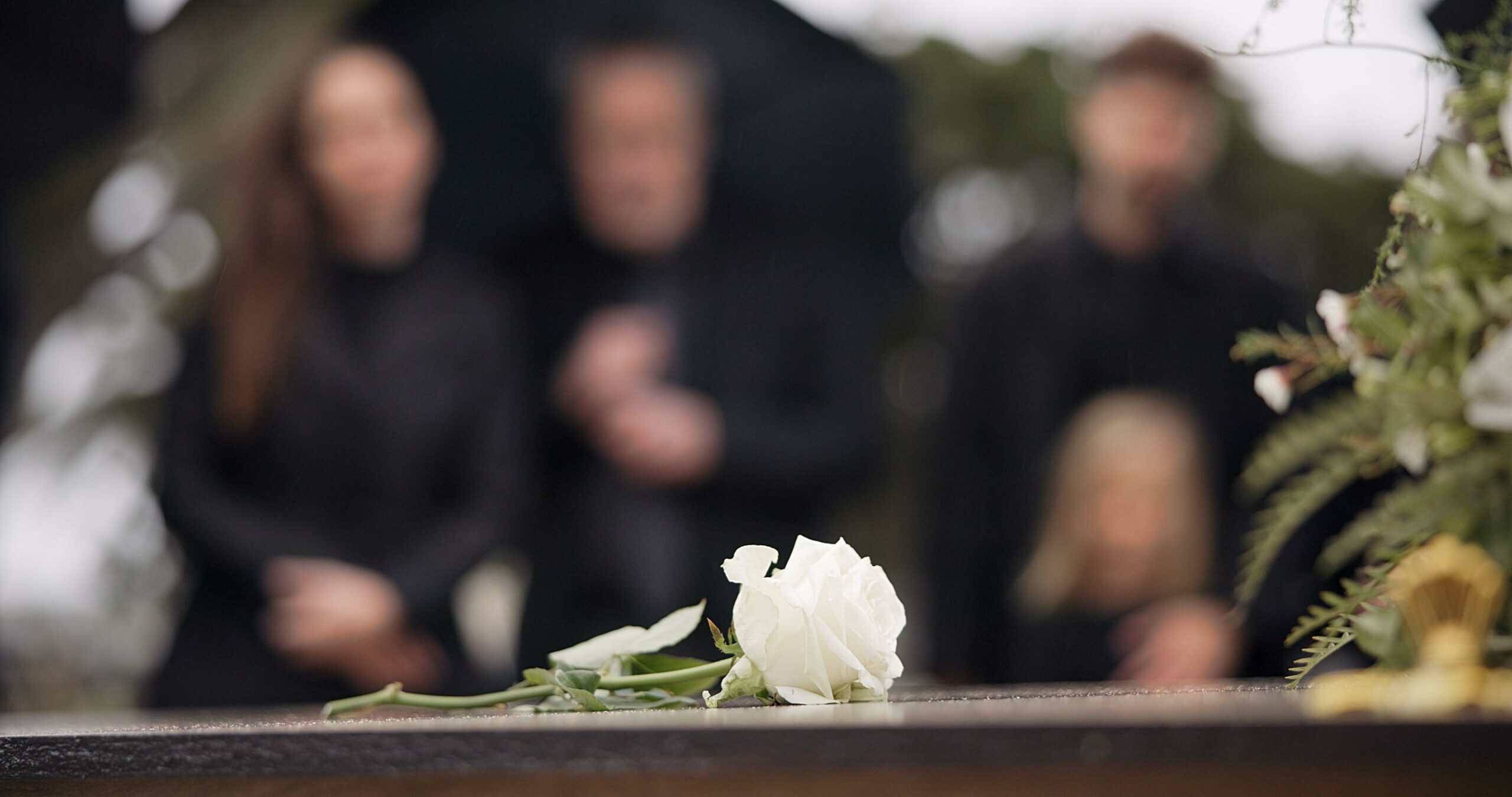
Grief is not a straight line. It is not a checklist, a schedule, or a process you can rush through to reach the other side. It is more like the ocean — sometimes calm and distant, sometimes crashing against you without warning, pulling you under before you even realize a wave was coming. If you have recently lost a family member, you already know this feeling. And if you are reading this looking for reassurance that what you are experiencing is normal, we want you to hear this first: it is.
At Waves in Wellness, we work with people every day who are carrying the weight of loss. Grief is one of the most universal human experiences, and yet it can feel profoundly isolating — as though no one around you truly understands the particular shape of your pain. This post is for anyone who is grieving, anyone who loves someone who is grieving, and anyone who simply wants to understand what it means to lose a piece of your family.
The Unique Pain of Losing a Family Member
Not all loss is the same. Losing a family member — a parent, a sibling, a spouse, a child, or even an estranged relative whose relationship carried complicated feelings — carries a specific kind of weight. Family relationships are often the oldest ones we have. They are woven into our sense of identity, our earliest memories, and the everyday rhythms of our lives in ways we may not fully appreciate until those rhythms are broken.
When a parent dies, we lose not only a person but also a witness to our own history. When a sibling dies, we lose someone who shared our childhood world in a way no one else ever will. When a child dies, parents often describe losing a future — a vision of who that person would become. And when a spouse or partner dies, the loss can reshape the entire architecture of daily life, from morning routines to financial decisions to the simple act of having someone to talk to at the end of the day.
There is no hierarchy of grief. A loss is a loss, and it deserves to be honoured fully — no matter the circumstances, no matter the relationship, and no matter what anyone else thinks you "should" be feeling.
What Grief Actually Looks Like
Many people are familiar with the five stages of grief — denial, anger, bargaining, depression, and acceptance — introduced by psychiatrist Elisabeth Kübler-Ross. While this framework has helped many people make sense of their experience, it is important to know that grief does not follow a tidy sequence. You may experience these stages in a completely different order. You may cycle back and forth between them. You may skip some entirely, or feel several at once.
Here is what grief can actually look like in real life:
Grief looks like numbness. In the immediate aftermath of a loss, many people describe feeling strangely detached — going through the motions of making phone calls, arranging funerals, and accepting condolences while feeling like they are watching themselves from a distance. This is a protective response. Your mind is buying itself time.
Grief looks like unexpected triggers. Months after a loss, you may be doing something completely ordinary — hearing a song, smelling a particular food, seeing someone who walks the way your loved one did — and suddenly find yourself overwhelmed. These moments are not signs that you are "going backward." They are signs that love does not simply switch off.
Grief looks like physical symptoms. Grief lives in the body. Fatigue, chest tightness, changes in appetite, difficulty concentrating, headaches, and a weakened immune system are all common physical responses to emotional loss. The mind and body are not separate systems — when one is in pain, the other responds.
Grief looks like anger. You might feel rage at the person who died for leaving you, at yourself for things left unsaid, at medical professionals who could not save them, or at the universe for allowing it to happen at all. Anger in grief is not irrational. It is a form of protest against something that feels profoundly wrong.
Grief looks like guilt. "What if I had called more often?" "What if I had pushed for a second opinion?" "What if I had said I love you the last time I saw them?" These questions are an almost universal part of grief, and they are almost never rooted in actual fault. They are the mind's desperate attempt to find control in something that was ultimately uncontrollable.
Grief looks like laughter. Yes, grief can also look like joy — remembering a funny story, feeling relief that your loved one is no longer suffering, or finding moments of genuine happiness even in the depths of loss. This does not mean you loved them less. It means you are human.
The Difference Between Grief and Complicated Grief
For most people, grief — while painful — gradually shifts over time. The sharp edges soften. The waves become less frequent and less overwhelming. Life does not return to exactly what it was, but a new kind of normal slowly takes shape.
However, for some people, grief does not follow this trajectory. What clinicians call "prolonged grief disorder" or "complicated grief" occurs when the acute symptoms of grief remain intense for an extended period — often six months or longer — and significantly interfere with a person's ability to function. Signs that grief may have become complicated include:
- An intense longing or yearning for the deceased that does not ease with time
- Difficulty accepting the reality of the loss
- Bitterness or anger that remains consuming and unresolved
- Feeling that life is meaningless without the person who died
- Inability to trust others or withdrawal from social connection
- Feeling that a part of yourself has died along with your loved one
- Difficulty engaging in activities or planning for the future
Complicated grief is not a character flaw or a sign of weakness. It is a recognized clinical condition that responds well to professional support. If you recognize yourself in any of these descriptions, please know that help is available — and that seeking it is an act of courage, not defeat.
How to Support Yourself Through Loss
There is no shortcut through grief, but there are ways to move through it with more compassion and care for yourself.
Allow yourself to feel what you actually feel. One of the most common forms of self-harm in grief is suppression — pushing feelings down because they are inconvenient, or because you believe you need to be strong for others. Emotions that are not processed tend to find other ways out, often through anxiety, physical illness, or sudden emotional collapse. Give your grief permission to exist.
Maintain basic structure where you can. When you are grieving, basic self-care can feel impossible. But sleep, food, and gentle movement are foundational to emotional regulation. You do not have to feel motivated — you simply need to do the next small thing. Eat something. Drink water. Step outside for five minutes. These are not trivial acts. They are acts of survival.
Talk about your loved one. Many grieving people worry that speaking about the person they lost will upset others, or that they are "dwelling." In reality, talking about who your loved one was — their laugh, their quirks, the memories you shared — is one of the most natural and healthy parts of the grieving process. It is how we honour the lives of people we love.
Let people help you. Grief has a way of making people feel like a burden. When friends and family offer help, the instinct is often to say "I'm fine" and send them away. Try to resist this. Accepting a casserole, a ride, or simply company is not weakness — it is allowing your community to love you during one of the hardest seasons of your life.
Set gentle limits on your exposure to grief content. While it is important not to suppress your feelings, there is also value in not dwelling in grief every waking moment. It is okay to watch a lighthearted show, go for a walk, or spend an afternoon not actively thinking about your loss. Moments of reprieve are not betrayals.
Be patient with timelines — yours and others'. People around you may seem to move on faster than you, or they may seem to grieve longer. Neither is wrong. Grief has no deadline. The idea that you should be "over it" within a set period of time is a cultural myth, not a clinical reality.
When to Reach Out for Professional Support
There is no threshold you have to reach before therapy becomes appropriate. You do not have to be in crisis to benefit from professional support. Many people find that having a dedicated, confidential space to process their grief — separate from the social pressures of performing strength for family and friends — is profoundly relieving, even early in the grieving process.
That said, there are specific moments when reaching out becomes particularly important:
- When grief is significantly interfering with your ability to work, care for children, or manage daily life
- When you are using alcohol, substances, or other behaviours to cope
- When you are experiencing thoughts of self-harm or of not wanting to be alive
- When your grief does not seem to ease at all over several months
- When the loss has triggered or intensified other mental health challenges, such as depression or anxiety
- When you feel completely alone in your grief and have no one to talk to
At Waves in Wellness, our therapists are trained in grief counselling and create a space that is warm, non-judgmental, and deeply attuned to the individual nature of each person's loss. There is no right or wrong way to grieve, and there is no version of your grief that is too much to bring into a therapy room.
Grief Does Not End — It Transforms
One of the most important things we can offer someone who is grieving is this: the goal of grief is not to forget the person you lost or to stop missing them. The goal is to find a way to carry them with you as you continue living.
Over time, many people find that their relationship with their grief shifts. The loss does not disappear, but it changes shape. What once felt like an open wound becomes something more like a scar — always present, always part of your story, but no longer bleeding. The love you feel for the person you lost does not go away. It becomes something you carry differently.
You may find new rituals that honour their memory. You may discover reserves of resilience you did not know you had. You may find yourself reaching out to others who are grieving, because you know now what it means to need someone to simply sit with you in the dark.
Grief, ultimately, is the price of love. And love — even the love that outlives a person — is never something to be ashamed of.
You Do Not Have to Navigate This Alone
If you are grieving the loss of a family member and you are struggling, please reach out. At Waves in Wellness, we are here to walk alongside you — not to rush you through your pain, but to help you move through it with more support, more self-compassion, and more hope.
You deserve care. Your grief deserves to be witnessed. And when you are ready, we are here.
To book a consultation with one of our therapists, visit our website or contact us directly. We offer both in-person and virtual sessions, and we welcome individuals, couples, and families navigating loss.
Waves in Wellness — Compassionate psychotherapy for life's most difficult moments.